A Lakewood, WA summer roofing checklist must include inspecting shingles for buckling, checking flashing seals, and evaluating attic ventilation, as intense summer UV rays and heat cause roofing materials to expand, crack, and degrade rapidly following damp Pacific Northwest winters.
While homeowners traditionally worry about winter rain and freezing temperatures, the intense summer sun presents an equally dangerous threat to residential roofing in Lakewood WA.
After a long, damp winter, your roof traps substantial moisture beneath its layers. When the summer heat hits, this moisture expands rapidly while intense UV rays bake your shingles from the outside, causing them to warp, crack, and fail before the autumn storms arrive.
Implementing a comprehensive summer roofing checklist is the single best way to spot these hidden vulnerabilities early and avoid devastating water damage.
Table of Contents
Why Does Summer Weather Threaten Pacific Northwest Roofs?
Many homeowners associate roof damage exclusively with freezing winter temperatures, torrential downpours, or heavy snow accumulation. However, the intense solar radiation of July and August presents an equally severe threat to the structural integrity of your home.
During the long winter months, residential roofing in Lakewood WA absorbs substantial moisture, creating a damp environment within the roofing layers.
When the summer sun finally emerges, the sudden temperature spike causes this trapped moisture to expand rapidly, pushing against the underlayment and shingles. This thermal shock weakens the bond between materials, making the entire structure vulnerable to sudden failure.
The heat radiating from the sky actively accelerates the chemical breakdown of asphalt shingles. Ultraviolet rays degrade the protective oils embedded within the roofing material, leaving it brittle and fragile.
As the temperature rises and falls each day, your roof undergoes constant expansion and contraction, a process that strains every joint, seam, and fastener.
Understanding this hidden cycle of seasonal wear allows you to identify vulnerabilities before they manifest as costly interior water damage. By remaining vigilant during the warmest months of the year, you safeguard your investment and ensure your home remains entirely secure against the elements.
What Are the Primary Signs of Roof Heat Damage?
Identifying the early warning signs of thermal degradation requires a keen eye and a basic understanding of how materials react to extreme solar exposure.
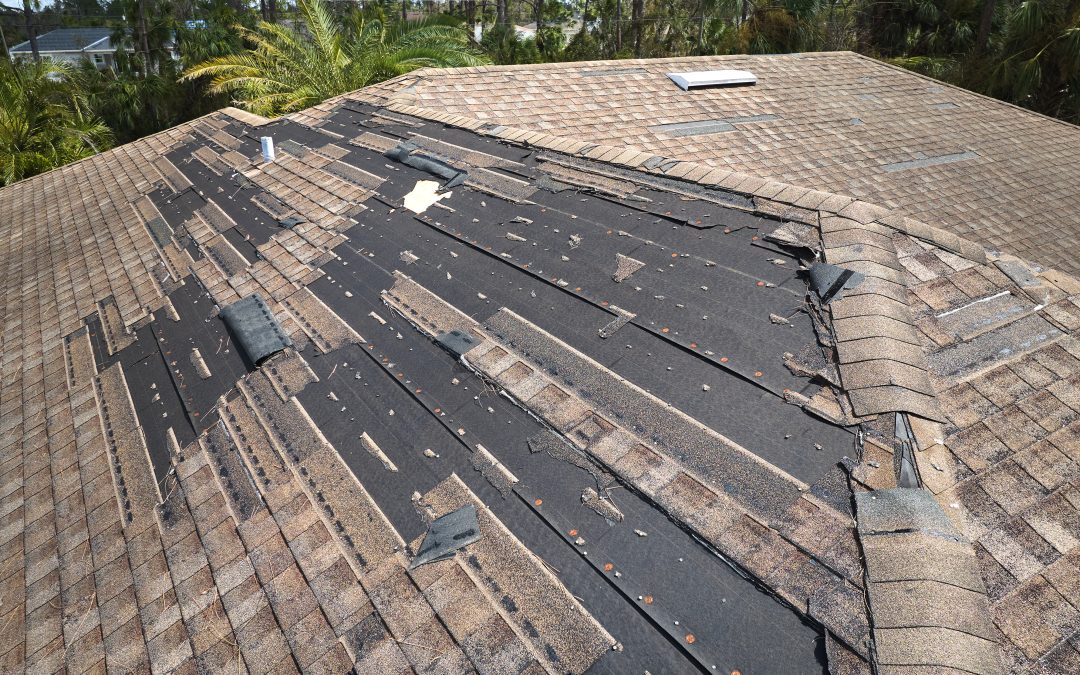
When shingles face prolonged UV bombardment, they lose their structural flexibility and begin to exhibit distinct physical transformations. You might notice the edges of your shingles curling upward or the centers buckling outward, both of which indicate that the material can no longer handle the thermal stress.
Furthermore, excessive heat causes the protective mineral granules on asphalt shingles to loosen and wash away into your gutters, leaving the underlying asphalt completely exposed to direct sunlight.
The impact of high temperatures extends beyond the shingles to the metal and rubber components protecting the valleys and penetrations of your roof. Flashing materials expand at different rates than wood or asphalt, which frequently tears the caulking or sealant designed to keep water out.
When these seals fail, the resulting gaps create direct pathways for moisture to enter your home during late summer thunderstorms.
The following indicators highlight the specific transformations your roof undergoes during periods of high heat:
- Granule Loss: Bald spots on shingles combined with large amounts of sandy debris accumulating in gutter downspouts.
- Shingle Distortion: Cupping, curling, or clawing edges that prevent the shingles from laying completely flat against the roof deck.
- Thermal Splitting: Horizontal cracks running through the body of the shingles caused by rapid expansion and contraction cycles.
- Blistering Surfaces: Small, raised bubbles on the surface of the asphalt, which occur when trapped moisture boils under the hot sun.
Going through a summer roofing checklist and recognizing these visual cues early prevents minor surface blemishes from escalating into widespread structural rot.
How Do Summer Temperatures Compare to Winter Wear on Materials?
To understand why a summer roofing checklist is completely essential, one must look at how different weather patterns place unique stresses on roofing components.
While winter testing involves weight, ice damming, and moisture intrusion, summer testing revolves around thermal expansion, UV degradation, and ventilation efficiency. The contrast between these two seasons dictates how materials fail and when specific maintenance actions must be taken.
The data below illustrates the distinct differences in how seasonal elements impact standard residential roofing systems:
| Weather Variable | Winter Impact on Roofing | Summer Impact on Roofing |
| Primary Stressor | Heavy snow loads, standing water, ice dams | Intense UV radiation, extreme thermal expansion |
| Material Reaction | Contraction, brittleness, freezing of seals | Expansion, blistering, drying out of caulking |
| Common Failure Point | Sagging decks, ice dam leaks, gutter tearing | Cracked shingles, split flashing, ventilation failure |
| Hidden Hazard | Mold growth from slow, undetected leaks | Accelerated aging from continuous solar baking |
Analyzing these seasonal differences proves that warm-weather maintenance is just as critical as preparing your home for winter storms.
Why Is Attic Ventilation Vital During a Lakewood Summer?
An improperly ventilated attic acts like an oven, trapping immense heat directly beneath your roof deck and baking the shingles from both sides.
When the sun beats down on your roof, attic temperatures can easily surpass one hundred and forty degrees Fahrenheit if air can’t flow freely. This intense heat transfers directly back into your living space, forcing your air conditioning system to work much harder while placing extreme stress on the roof structure.
The heat also dries out the wooden decking boards, causing them to warp, pull away from fasteners, and weaken the foundation of your entire roofing system.
Proper ventilation relies on a balanced continuous flow of fresh air entering through the soffit vents and hot air escaping through the ridge vents. When this airflow stalls, moisture from daily household activities becomes trapped in the attic, combining with the heat to create a humid environment that ruins insulation and promotes mold growth.
Ensuring your attic breathes correctly preserves the life of your shingles and stabilizes your home energy expenses.
What Should Your Summer Roofing Checklist Include?
A comprehensive summer roofing checklist provides a systematic method for evaluating every critical component of your roof before the autumn rains return.
You can conduct much of this inspection from the safety of the ground using binoculars, looking for irregularities in the roofline or displaced materials. Focus on areas where different materials meet, as these joints represent the highest risk for failure under thermal stress.
Executing this routine maintenance schedule protects your home by identifying structural weaknesses before they cause interior damage:
- Inspect Shingle Integrity: Scan the entire roof surface for missing, cracked, buckled, or severely curling shingles.
- Examine Flashing and Seals: Check the metal flashing around chimneys, skylights, and valleys to ensure it remains securely fastened and properly sealed.
- Clear Gutter Systems: Remove residual winter debris and organic material to guarantee unrestricted drainage during sudden summer downpours.
- Evaluate Ventilation Openings: Verify that all intake and exhaust vents are entirely clear of bird nests, dust, and debris to maintain optimal airflow.
Completing this simple summer roofing checklist gives you total peace of mind regarding the safety and resilience of your home.

When Should You Call Professional Roofing Repair Contractors Near Me?
While ground-level inspections offer excellent baseline information, certain roofing conditions demand the expertise and specialized equipment of licensed professionals.
Walking on a hot roof can damage fragile, heat-softened shingles, and climbing tall ladders poses serious safety risks for untrained individuals.
Professional roofing repair contractors near me possess the training to spot subtle signs of deck rotting, underlayment failure, and structural shifting that untrained eyes easily miss. They can safely navigate the roof surface, pinpoint the exact source of a mysterious leak, and perform durable repairs that match local building codes.
Enlisting professional assistance ensures that minor issues receive correct, long-lasting solutions before turning into catastrophic failures.
How Can Bandido Solutions Resolve Your Summer Roofing Concerns?
When searching for reliable expertise to manage your residential roofing in Lakewood WA, Bandido Solutions provides the ultimate answer for local homeowners.
Our skilled team understands the specific challenges presented by the Pacific Northwest climate, from damp winters to scorching summer days. We deliver meticulous inspections, accurate damage assessments, and high-quality repair services tailored to protect your home from severe heat damage.
By trusting your roof to us, you secure top-tier craftsmanship, reliable communication, and durable results that extend the lifespan of your roof.
How Does Early Detection Save Homeowners Money Long Term?
Catching heat-related damage early with the help of a summer roofing checklist prevents small, inexpensive issues from transforming into major structural headaches that break your household budget.
A few cracked shingles or a separated piece of flashing requires minimal time and materials to correct when identified during a summer inspection. Ignoring these warnings allows the next heavy rainfall to penetrate the roof deck, damaging your insulation, ceilings, and personal belongings.
Investing a small amount of time in summer maintenance preserves your property value and delays the need for a costly total roof replacement.